

Considering facial plastic surgery often begins with a specific concern. Perhaps your nose feels too prominent, your eyelids look heavy, or changes in your jawline make you appear older than you feel. Although these concerns may seem isolated, the most successful facial procedures consider how every feature relates to the others.
The goal should not be to create someone else’s face. It should be to enhance your natural appearance while preserving the characteristics that make you recognizable. Dr. Julie Edween, DO, emphasizes individualized treatment planning, with careful attention to proportion, balance, and the patient’s personal vision.
What Is Facial Proportion?
Facial proportion refers to the relationship between different features, including the forehead, eyes, nose, cheeks, lips, chin, and jawline.
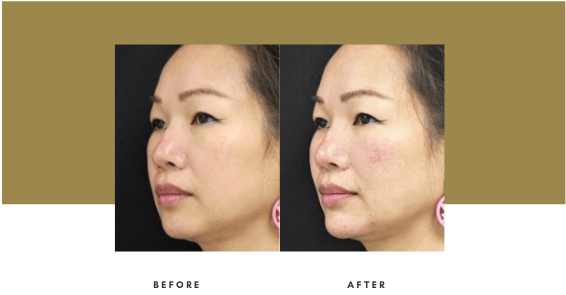
A feature does not need to fit a single ideal measurement to look attractive. Instead, facial harmony depends on how the features work together.
In addition, reducing the size of a prominent nose may help the eyes appear more noticeable. Refining a weak chin may improve the apparent balance between the nose and lower face. Rejuvenating the eyelids may restore a rested expression without changing the underlying shape of the eyes.
These examples illustrate why facial plastic surgery requires an understanding of the entire face rather than a narrow focus on one feature.
Why Overcorrection Can Be a Problem
It can be tempting to request a dramatic change, particularly when influenced by celebrity photographs or social media trends. In some cases, a result that looks attractive on one person may not suit another person’s anatomy.
Removing too much tissue, excessively reducing nasal projection, or creating an overly tight facial contour can disrupt natural proportions.
Overcorrection may also create concerns that were not present before surgery. For instance, aggressive removal of cheek fat can leave some individuals with a hollow appearance as they age.
Dr. Edween’s approach emphasizes understanding the patient’s desired changes while considering how those changes may affect the surrounding features.
Personalized Planning Makes a Difference
A detailed consultation provides an opportunity to discuss what bothers you, what you hope to improve, and which characteristics you want to preserve.